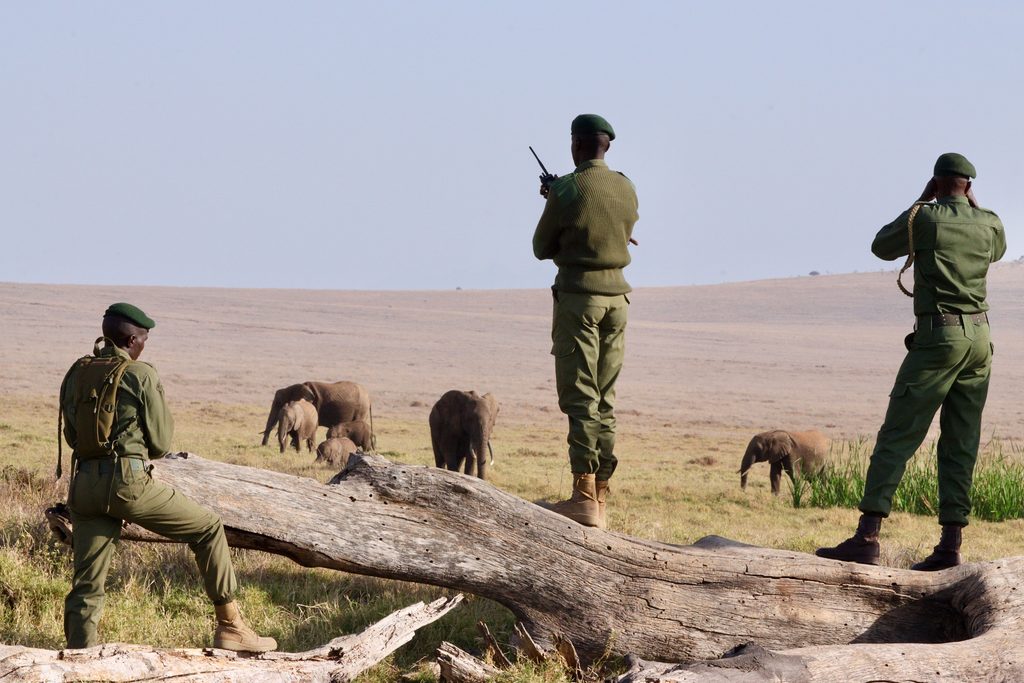

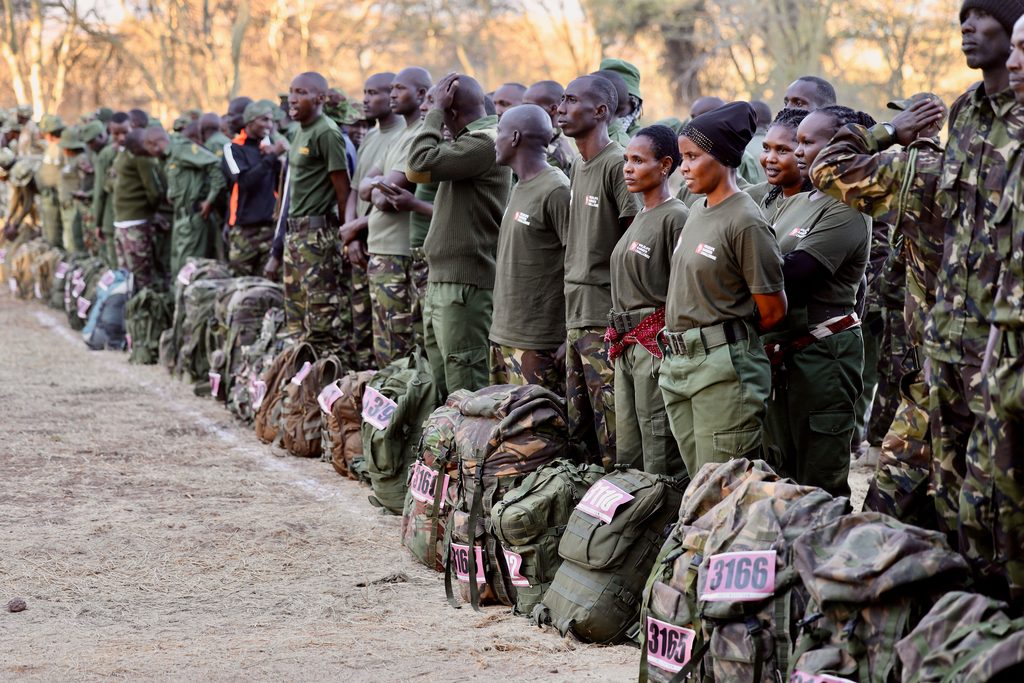
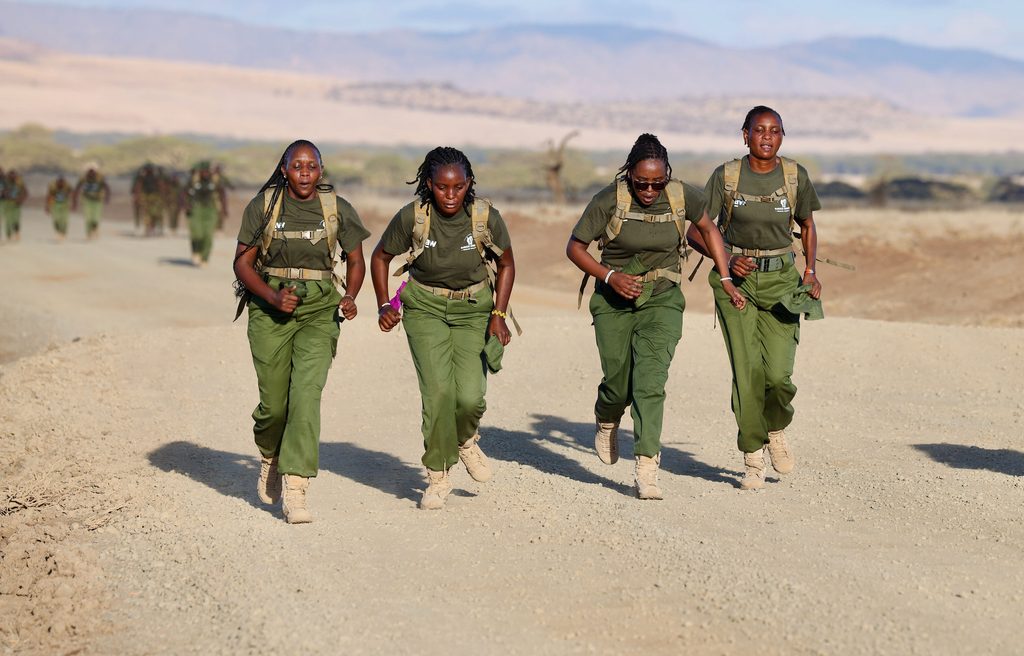
More than 2,000 wildlife and marine rangers, representing 166 teams from 21 African countries, laced up their boots and shouldered heavy operational kit on September 19, 2026, to complete synchronised 21-kilometre races across some of the continent’s most vital conservation landscapes the culminating event of the seventh annual Wildlife Ranger Challenge.
Organised by the UK-based conservation charity Tusk in partnership with the Game Rangers Association of Africa (GRAA), with funding support from Mark Scheinberg, the event has grown since its 2020 launch into what organisers describe as the continent’s largest campaign celebrating the men and women who protect Africa’s wildlife.
A Race Two Months in the Making
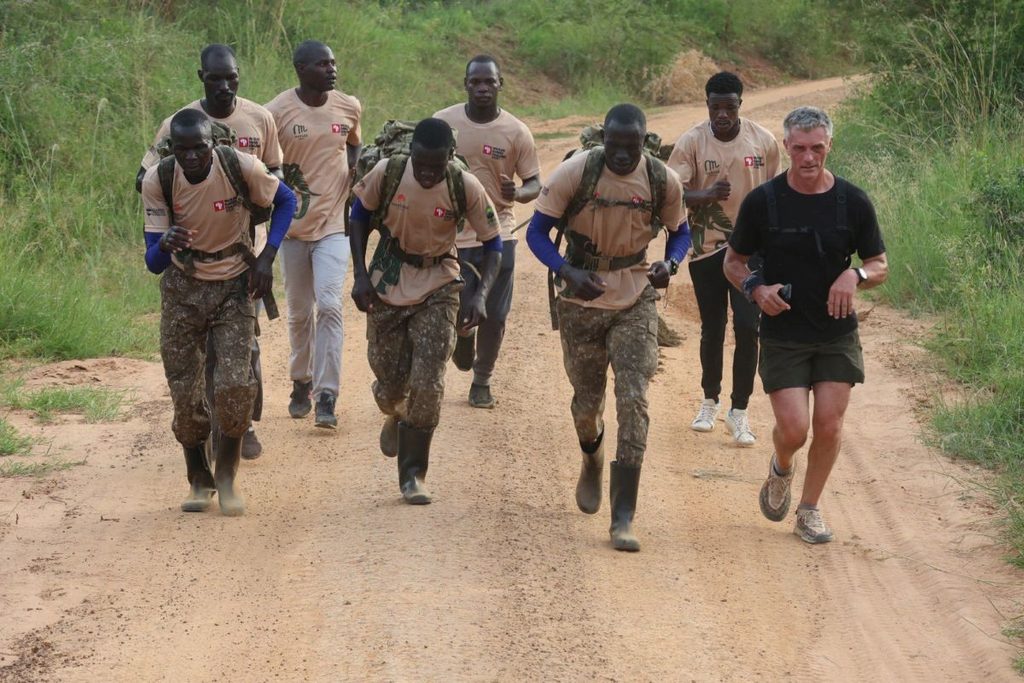
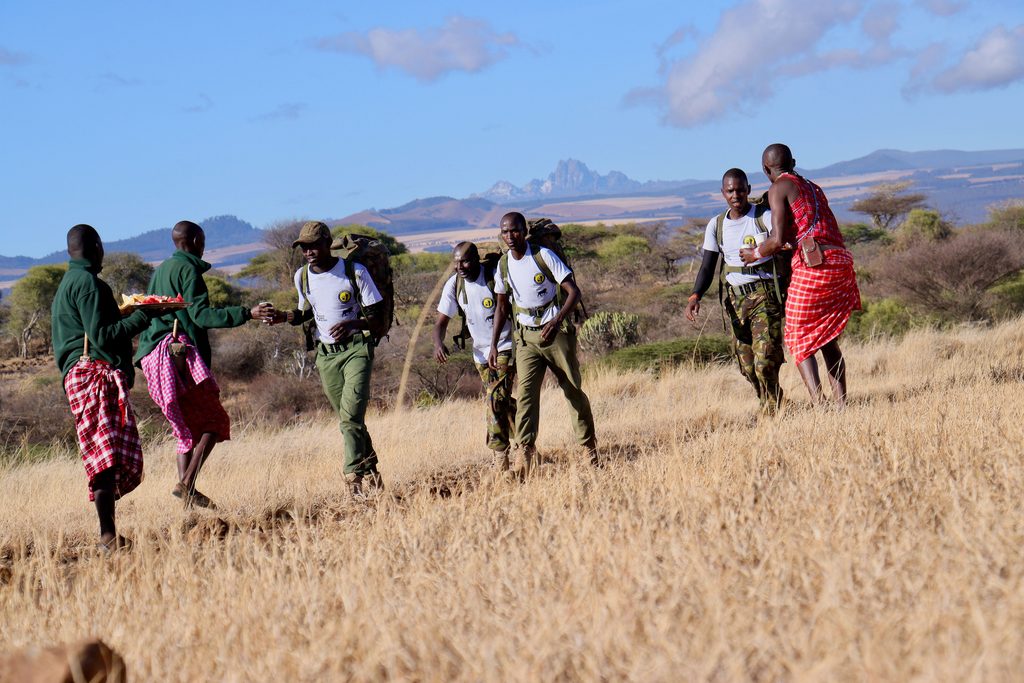
The half-marathon itself was only the final stage of a two-month campaign. Ranger teams first competed in a series of training challenges designed to build teamwork, fitness and professional skill, including a wildlife knowledge quiz, push-up and sit-up competitions, and a 2.4-kilometre time trial. On race day, teams ran their 21-kilometre courses simultaneously in their own protected areas while carrying operational kit weighing up to 22 kilograms for men and 10 kilograms for women.
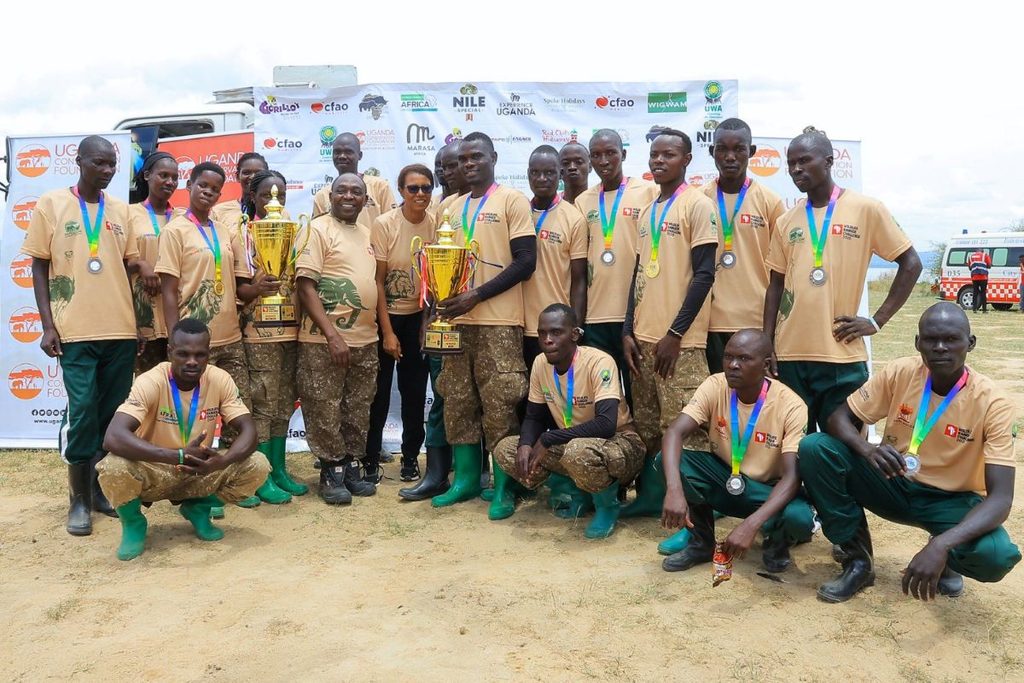
Four regional hubs anchored the event: Murchison Falls National Park in Uganda, hosted by the Uganda Conservation Foundation; Lewa Conservancy in Kenya; Kruger National Park in South Africa, hosted by the Southern Africa Wildlife College; and Kafue National Park in Zambia, hosted by African Parks. Supporters around the world also joined in solidarity by completing challenges of their own.
Early results from the regional hubs showed Kidepo National Park sweeping both the men’s and women’s titles at the Murchison Falls hub in Uganda. At the Lewa hub in Kenya, the Mountain Bongo Project won the men’s race, IFAW Olgulului took the women’s title, and Kenya Wildlife Service Team A won the mixed category. In South Africa, Marula North won the men’s race, the Black Mambas took the women’s title, and the Southern Africa Wildlife College won the mixed category at its namesake hub. Results from Kafue National Park were not immediately available, and organisers said the overall continental winner would be announced once all race data had been analysed.
Millions Raised, But a Widening Gap
The Challenge has become a significant funding vehicle for ranger welfare. Since its 2020 launch, it has raised more than $25 million for equipment, training and welfare programs and has supported or engaged more than 11,500 rangers. With expected donations from this year’s race factored in, organisers say the initiative is set to surpass $28 million raised over its seven-year history, with this year’s event alone projected to generate a further $3 million, backed by match-funding from founding donor Mark Scheinberg.
Yet the scale of the challenge facing African conservation remains stark. According to Tusk and GRAA research, Africa currently relies on roughly 65,000 rangers to protect its wildlife and wild landscapes — only about one-fifth of the estimated 345,000 personnel needed to effectively manage the continent’s protected areas. Roughly half of rangers have no health insurance, and only about 40% report receiving adequate health and safety training, despite facing organised wildlife crime, armed conflict and long stretches away from their families.
“Today’s display of strength, discipline, and unity across Africa is a powerful reminder of what rangers endure every single day to protect our shared planet,” said Chantal Migongo-Bake, Chief Conservation Officer for Tusk. She added that with the workforce still at only a fraction of what’s needed, rangers must be treated as essential frontline environmental defenders deserving of proper equipment, fair pay, insurance and long-term investment.
Louise de Bruin, CEO of the GRAA, framed the rangers’ work in similarly urgent terms, describing them as planetary health workers who quietly carry out demanding and often dangerous work without seeking recognition. She called the Challenge an opportunity for the world to stand in solidarity with them by investing in their safety and future.
Why It Matters Beyond the Race
The stakes extend well past the finish line. Africa is home to roughly a quarter of the world’s terrestrial mammal species and a sixth of all plant life, making the continent’s ecosystems central to global climate and biodiversity targets — including the international goal of protecting 30% of land and sea by 2030. Tourism tied to that wildlife supports more than 25 million jobs and contributes over $168 billion to Africa’s GDP, according to the UN World Tourism Organisation, with wildlife-driven visits accounting for as much as 80% of tourism in key East and Southern African landscapes.
Rangers’ responsibilities have also broadened well beyond anti-poaching patrols. Today’s rangers monitor wildlife and habitats, respond to emergencies, support community security, conduct search-and-rescue operations, gather ecological data, reduce human-wildlife conflict, and even provide intelligence support to national security agencies.
The Wildlife Ranger Challenge has also served as a catalyst for structural change in the profession. It helped inspire the Ranger Welfare Standards Initiative (RWSI), launched in 2024 by Tusk and GRAA with support from The Royal Foundation of the Prince and Princess of Wales. That initiative has already secured insurance coverage for nearly 6,800 rangers, to reach 10,000 by 2030.
Funds from this year’s Challenge will flow directly to participating ranger organisations to cover operational costs, equipment, medical insurance through the RWSI, and specialised training.