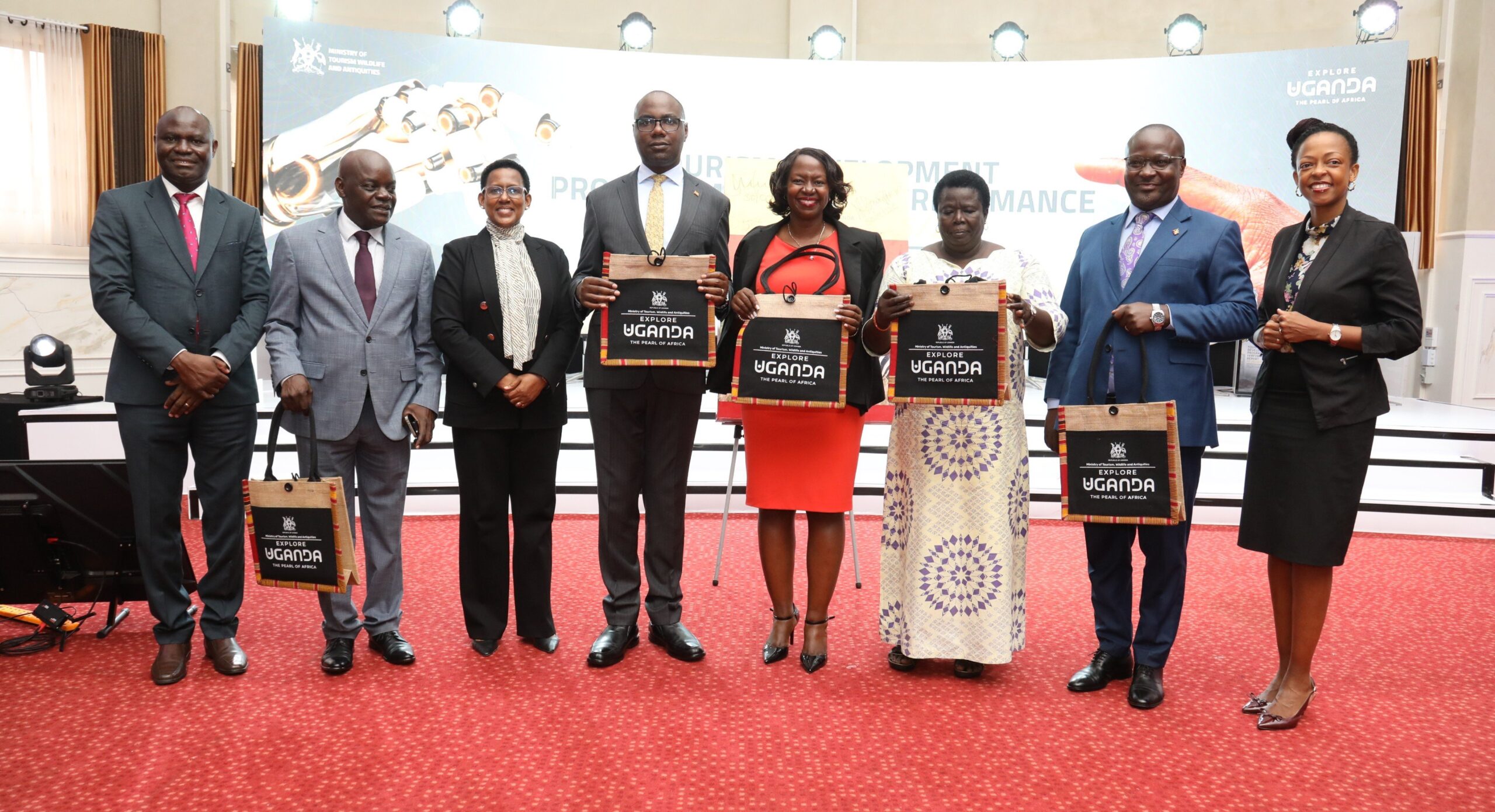

The Minister of Finance, Planning, and Economic Development, Hon. Henry Musasizi, has emphasised the need for focused efforts to unlock Uganda’s tourism potential and enhance its contribution to the economy. He announced that the government is aiming for US$5 billion in annual tourism receipts by 2030.
Hon. Musasizi made these statements while officiating at the 4th Annual Tourism Development Programme Review Conference held at the Imperial Royale Hotel. He indicated that achieving this target will require more than just increasing visitor numbers. Uganda needs to encourage tourists to stay longer and attract high-value visitors, as tourism remains a top priority for the country.
According to the Tourism Development Programme Annual Performance Report for FY2025/26, Uganda welcomed 1.64 million international tourists in 2025, an increase from 1.37 million in 2024. Tourism receipts rose by 21.3% to Ushs 5.83 trillion (equivalent to US$1.62 billion), driven by higher visitor spending and longer stays. The average length of stay increased from 8.7 nights in 2024 to 8.8 nights in 2025, and the average tourist expenditure per trip rose to US$986, up from US$933 in 2024.
The tourism sector directly generates 876,512 jobs, accounting for 7.5% of Uganda’s total employment, according to the Tourism Satellite Account.
Hon. Musasizi stated that the government’s role is to create an environment conducive to private sector investment in tourism facilities and to improve standards. This environment should also attract foreign direct investment through partnerships and joint ventures. He called for stronger public-private partnerships to turn tourism opportunities into viable and bankable investments. He highlighted potential areas of opportunity, including hotels and conference facilities, eco-tourism, cultural and heritage tourism, faith-based tourism, agro-tourism, sports tourism, wellness tourism, and adventure tourism.
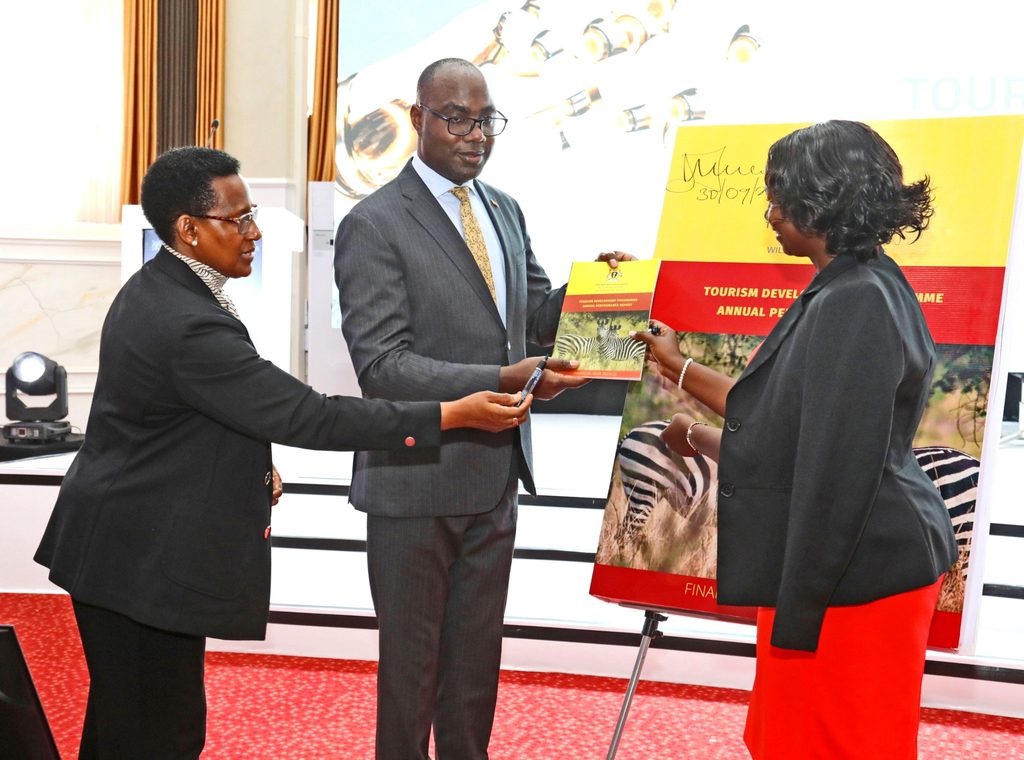
“The government will continue to invest in tourism infrastructure, destination marketing, product development, conservation, specialised skills, and digital transformation. It will also work to enhance the business and investment environment. Affordable financing and fiscal incentives for investors, along with Economic and Commercial Diplomacy, will promote Uganda in international markets,” he said.
Hon. Musasizi urged stakeholders to actively discover, develop, package, market, and sustainably manage Uganda’s tourism assets. He emphasised that the sector must create jobs, generate foreign exchange, and benefit local communities. “Tourism is a source of high economic growth; it earns the country significant foreign exchange, creates jobs for Ugandans, redistributes income to rural areas, and gives us a compelling reason to protect our natural resources,” he noted.
Minister of State for Tourism, Wildlife, and Antiquities, Susan Nakawuki, commented that the government’s efforts in tourism marketing, infrastructure development, and product diversification are beginning to show positive results. She highlighted Uganda’s increased visibility in international markets and collaboration with the country’s missions abroad and local governments.
Hon Nakawuki pointed to significant achievements, such as the construction of over 280 kilometres of tourism roads, the expansion of Entebbe International Airport, the development of Kabalega International Airport, and the initiation of work on Kidepo International Airport. However, she called for more investment in tourism infrastructure, stronger marketing and promotion, faster product development, and enhanced skills for those working in the sector.
The Permanent Secretary in the Ministry of Tourism, Wildlife, and Antiquities, Doreen Katusiime, identified several challenges facing the sector, including limited investment in tourism marketing, infrastructure gaps, inadequate funding, delays in finalising regulations, human-wildlife conflict, and low compliance with service standards. “These challenges call for stronger collaboration, enhanced resource mobilisation, and innovative solutions,” she stated.
Katusiime emphasised that the Ministry’s priorities include expanding global tourism marketing and improving roads, aerodromes, and visitor facilities. They also plan to diversify tourism products, focusing on cultural, faith-based, agro, and sports tourism, while strengthening skills, regulation, and digital transformation.
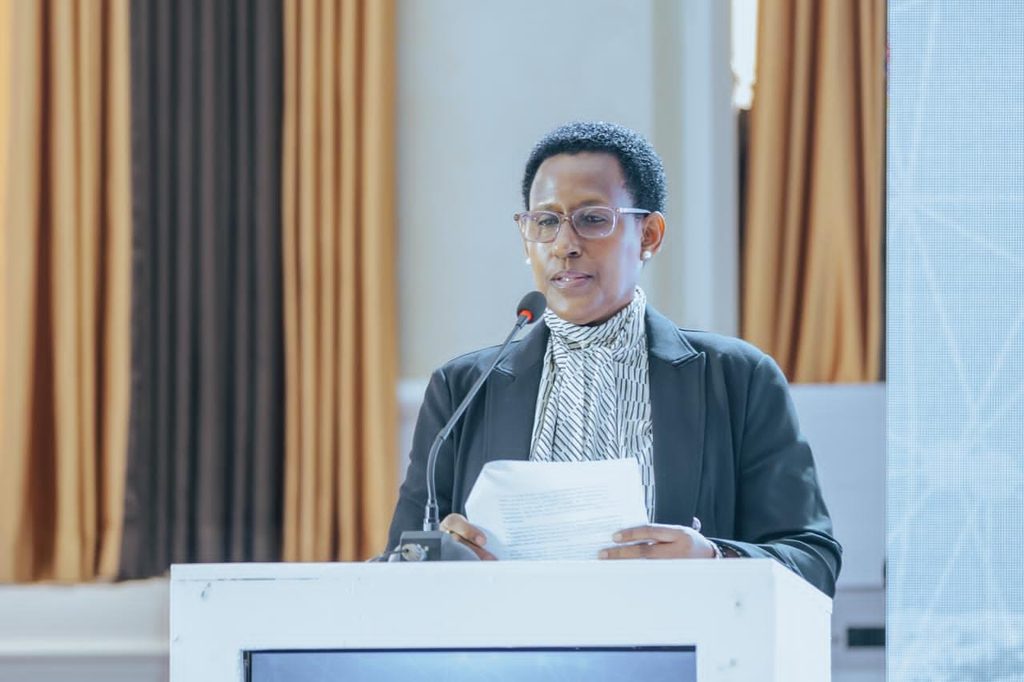
“Tourism remains a key driver of the economy through foreign exchange earnings, job creation, household incomes, and investment. Today is about appreciating our performance, addressing existing gaps, and collaboratively setting a course for the future,” Katusiime concluded.
The conference, themed “Digital Agenda and Artificial Intelligence to Redesign Tourism,” reviewed the performance of the Tourism Development Programme for the 2025/26 financial year, marking the first year of the NDP IV period. It aimed to help set priorities for the medium term, focusing on the use of digital technologies and AI to strengthen tourism.