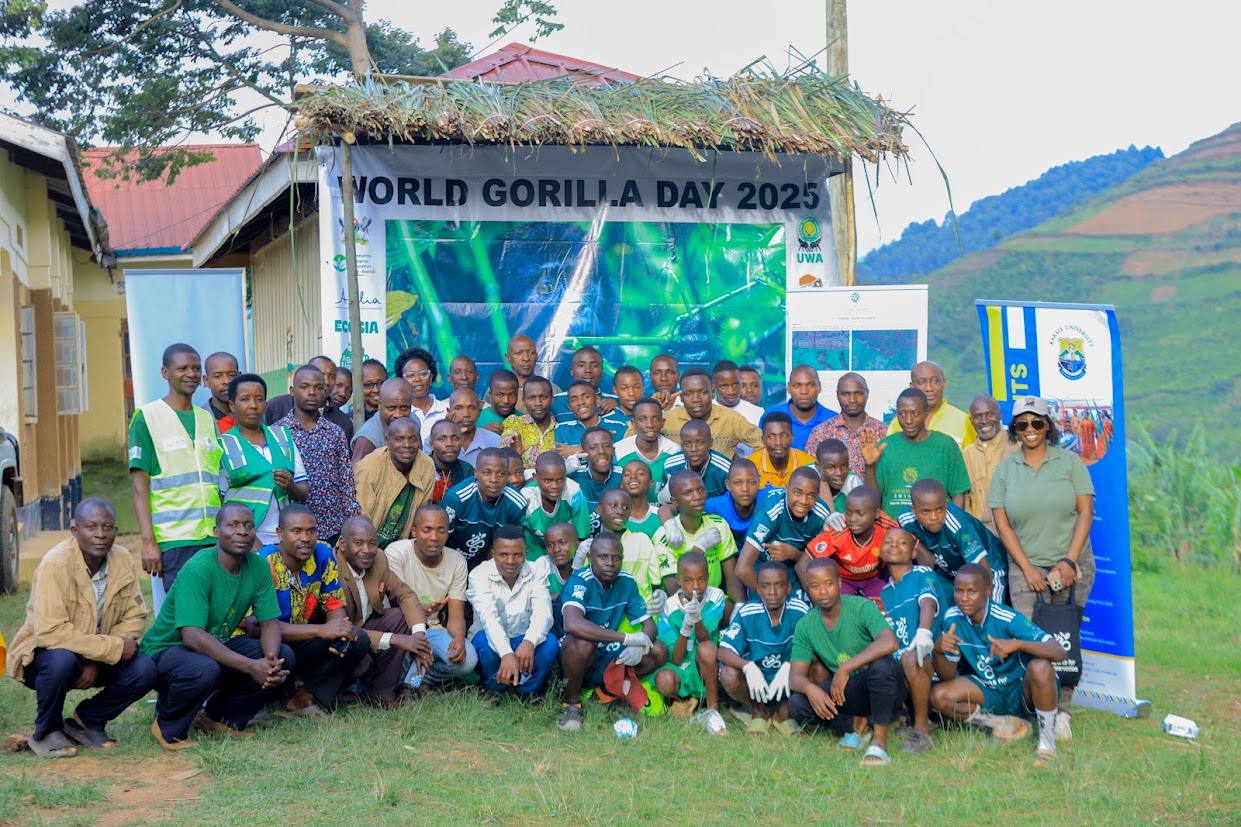

Every encounter with a mountain gorilla in the misty forests of Southwestern Uganda is more than a wildlife experience. It is a reminder of what conservation can achieve when communities, tourism and protection of nature move in the same direction.
For Uganda, the gentle giants are not only among the country’s most treasured wildlife. They have become a powerful pillar of the tourism economy, generating billions of shillings while supporting livelihoods and helping transform communities neighbouring their forest habitats.
As the world prepares to mark World Gorilla Day on September 24, Uganda is turning the spotlight on the animals whose survival has become closely intertwined with the wellbeing of people living around their habitat.
Launched in 2017, World Gorilla Day coincides with the anniversary of Dian Fossey’s Karisoke Research Centre and aims to galvanise global action to protect all gorilla subspecies.
Uganda is home to more than half of the world’s remaining mountain gorillas, according to the 2019 census. The latest census has since been conducted, although the final 2025/26 population figure is still awaited.
John Makombo, the Uganda Wildlife Authority (UWA) Commissioner for Biodiversity Management, said the mountain gorilla population has continued to increase, largely driven by registered births. He said a conclusive figure from the latest census is yet to be released as authorities await completion of the final stages of DNA analysis.
The growing gorilla population has been accompanied by increasing interest in Uganda’s protected areas.
Mr. Bashir Hangi, the UWA spokesperson, said Mgahinga National Park recorded 3,601 international and domestic visitors in the 2021/22 financial year. The figure rose to 5,325 in 2022/23, 5,507 in 2023/24 and 6,222 in 2024/25.
At Bwindi Impenetrable National Park, visitor numbers increased from 20,367 in 2021/22 to 37,360 in 2022/23. They rose further to 43,984 in 2023/24 before slightly declining to 43,716 in 2024/25.
Hangi cautioned that the figures cover all tourism activities in the two parks and should not be interpreted as gorilla trekking numbers alone. Yet the economic weight of gorilla tourism is unmistakable.
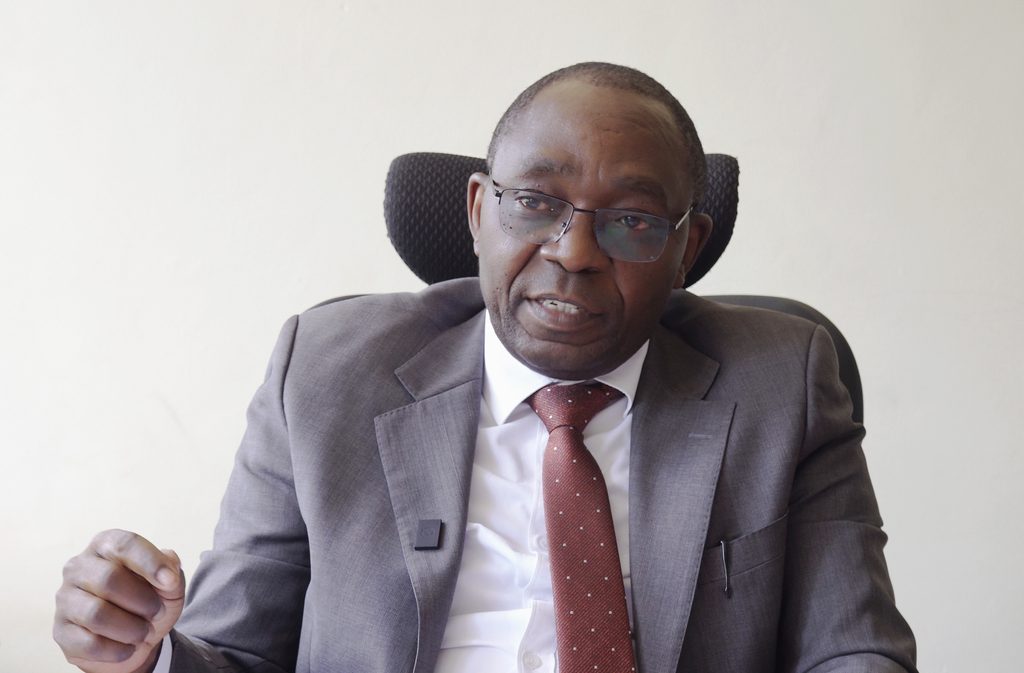
Makombo said Bwindi and Mgahinga generated more than Sh109.8 billion from gorilla tourism alone in 2022/23.
During the same financial year, total revenue from other tourism activities in the two protected areas brought collections to Sh147.9 billion. Revenue declined to Sh131.9 billion in 2023/24, with gorilla tourism contributing Sh86 billion, amid what Makombo attributed to negative travel advisories issued by foreign missions.
Following campaigns by stakeholders in the tourism sector, revenue recovered to Sh142 billion in 2024/25, with gorilla tourism accounting for Sh93 billion. The recovery gathered further momentum in 2025/26, when total revenue from the two protected areas reached Sh162.5 billion, of which Sh110 billion came from gorilla tourism.
Behind these figures are communities whose fortunes have increasingly become connected to the survival of the gorillas. In the financial year ending June 2025, UWA disbursed Sh2.97 billion under its revenue-sharing programme to communities surrounding the Bwindi-Mgahinga Conservation Area. The money is being used to establish community projects, social enterprises and businesses.
The Porters’ association in Buhoma sector, established in 1992, currently has 100 members, with more than 50 other community members stationed at the Nyamishamba outpost. Other sectors of Bwindi such as Rushaga, Ruhija and Nkuringo also have community associations whose combined membership stands at about 500 people, providing services to tourists.
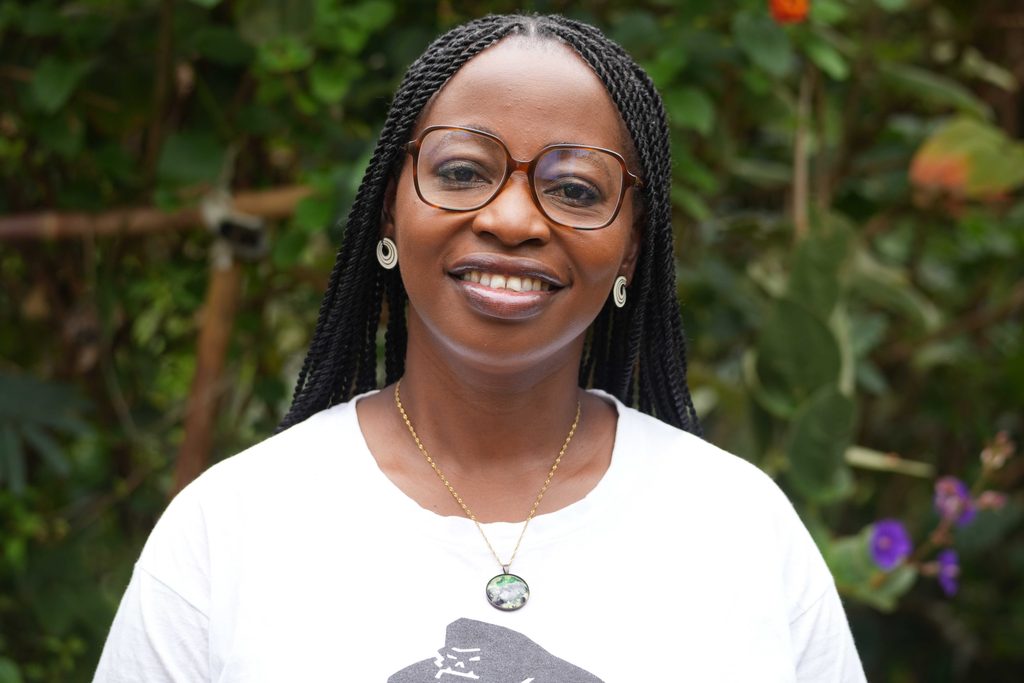
Christine Katushabe, founder of Change A Life-Bwindi, a non-profit organisation based in Ruhija, Mpungu Sub-county in Kanungu District, points to another transformation: the growth of accommodation and hospitality businesses around Bwindi’s tourism sectors. She said high-end lodges have continued to emerge around the park, creating employment and markets for locally produced supplies.
“Gorillas are not just an attraction for tourists. They are the reason our communities have hope for a better future. When we protect the forest, we protect our children’s livelihoods, our culture and our identity. This year’s celebration is a reminder that conservation only works when the people living closest to the gorillas are the ones leading it,” Katushabe expressed.
Today, the landscape has changed, with high-end lodges, improved telecommunications, electricity, roads and air connectivity accompanying the growth of tourism. The story of Bwindi and Mgahinga, therefore, is no longer simply about protecting forests and wildlife. It is also about how conservation can stimulate local economies and create reasons for communities to value the survival of the species that attract visitors to their doorstep.
This year’s World Gorilla Day activities are designed to take that message directly into the communities. Although World Gorilla Day falls on September 24, the main national celebrations will be held on October 1. A series of activities will, however, run from September 19 to 21 in the Ruhija sector of Bwindi in Mpungu Sub- County, Kanungu District.
The programme, spearheaded by the community NGO- Change A Life- Bwindi in partnership with UWA, includes community cleaning, tree planting, free medical camps, community dialogue and gorilla tracking, alongside media engagements with communities, lodges, accommodation facilities and other enterprises whose livelihoods depend on gorilla tourism and conservation.
Richard Muhabwe, Chief Warden of the Bwindi-Mgahinga Conservation Area, said the main celebration had initially been planned for September 24 but was moved to October 1 because of other engagements involving UWA’s top management. He said the change of date would not diminish the spirit of the celebrations. Instead, the activities are intended to reinforce a simple message: protecting the gorillas means protecting the forests, and protecting the forests means safeguarding the economic and social benefits that flow from them.
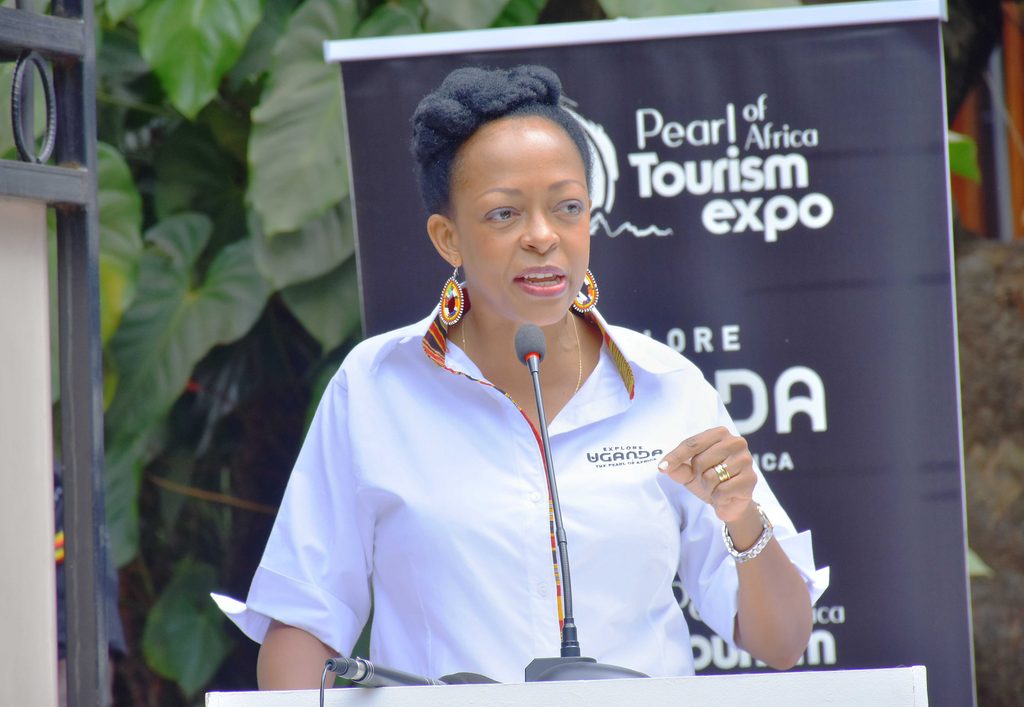
Juliana Kagwa, Chief Executive Officer of the Uganda Tourism Board, described gorillas as central to Uganda’s tourism story. “A lot of our tourism arrivals can be directly attributed to the magnificent gentle giants- the gorillas,” Kagwa said. Mountain gorillas occur only in Uganda, Rwanda and the Democratic Republic of Congo, making their conservation a shared regional responsibility.
Kagwa called for sustainable tourism practices in Bwindi and Mgahinga, while emphasising Uganda’s distinctive gorilla-tracking experience. At the same time, she said Uganda IS diversifying its tourism portfolio by developing other attractions to complement the gorilla experience. That diversification could ultimately strengthen conservation by spreading tourism benefits across a wider range of destinations and experiences.
Other supporting partners in this year’s gorilla day celebrations include: Asilia Africa, Rugarama Hospital, ICN Uganda, Max Planck Institute for Evolutionary Anthropology, International Gorilla Conservation Programme, Onzoka Tours, Agandi Uganda, Gorilla Highlands Coffee, Uganics and Caldera, among others.