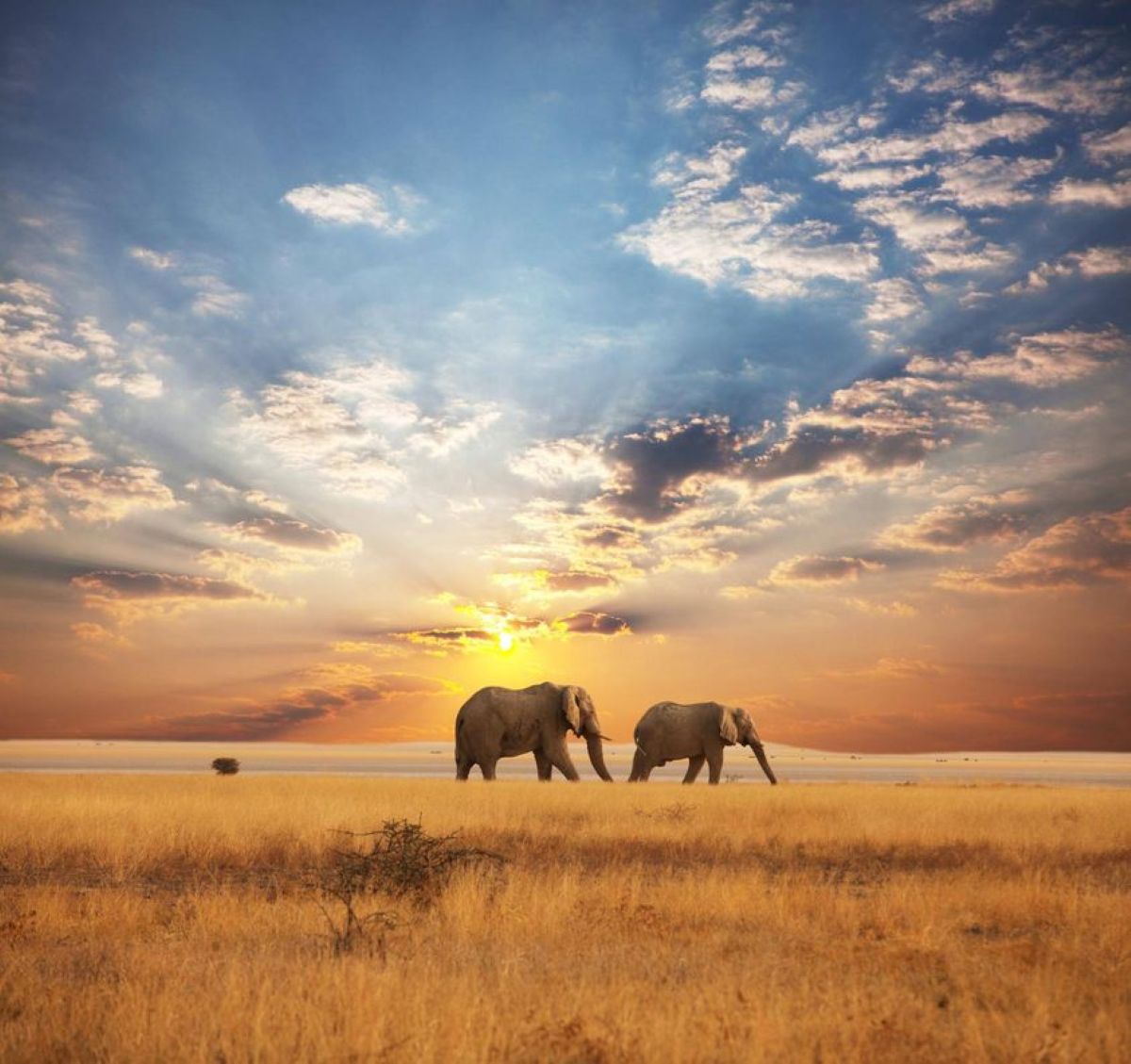

Kenyan wildlife authorities are racing to identify what killed 15 elephants over the past month in and around Amboseli National Park, one of Africa’s most celebrated wildlife sanctuaries and a stronghold for the continent’s last “super tuskers.” The deaths, confirmed by the Kenya Wildlife Service (KWS) in a statement issued July 28, mark what officials describe as the worst single episode of unexplained elephant mortality the region has seen in decades and have set off an urgent scramble to determine whether the animals were victims of accidental contamination or deliberate poisoning.
According to KWS, the deaths occurred between June 24 and July 24, 2026, across three interlinked areas: Amboseli National Park itself, the adjoining Kimana Sanctuary, and the Kuku Ranch community lands that form part of the greater Amboseli ecosystem straddling the Kenya–Tanzania border.
The pattern of the deaths has unsettled veterinarians and conservationists alike. Ten of the fifteen elephants displayed strikingly similar symptoms, a partial paralysis that left them unable to stand before dying within one to two days of falling ill. The remaining five were discovered only after death, their carcasses too decomposed, or already scavenged, to yield a clear cause.
Perhaps most troubling to researchers who have tracked this population for over 50 years: the dead were overwhelmingly female and young. Only one adult male was among the fifteen. In a population where matriarchs anchor entire family units and calves represent the herd’s future, the loss of so many breeding-age females and their offspring cuts deeper than the raw number suggests.
KWS moved quickly once the pattern became apparent, deploying veterinary teams from Nairobi, Tsavo, and Amboseli to treat surviving animals showing symptoms, conduct post-mortem examinations, and collect tissue and environmental samples.
The lab results so far have been frustratingly inconsistent. A University of Nairobi laboratory flagged a “potential toxic substance” in samples from the affected elephants, but a parallel round of testing by Kenya’s Government Chemist came back negative for the toxins screened. Days later, further preliminary analysis pointed toward cyanide poisoning, a finding the International Fund for Animal Welfare (IFAW) called deeply concerning, urging that the results be “urgently and thoroughly investigated” and that anyone responsible be held accountable.
Investigators have not ruled out an accidental source. Some local reporting suggests officials are examining whether pesticide-contaminated produce, specifically tomatoes from farms bordering the park, may have introduced cyanide into the ecosystem, a scenario that would point to agricultural runoff or improper pesticide use rather than intentional poaching. KWS has also widened its net to test water sources within the affected areas, since a shared watering point could explain why animals from different family groups fell ill within the same narrow window.
Whatever the ultimate finding, KWS has sought to reassure nearby communities that there is no evidence the illness poses any risk to humans, and no indication the condition is transmissible.
Kenya has a painful history with elephant poisoning, most often tied to poaching operations that use cyanide-laced water or salt licks to kill multiple animals quickly and quietly, or to retaliatory poisoning linked to human-wildlife conflict over crops and grazing land. But officials say an incident of this scale 15 deaths in a single month, concentrated so heavily among females and calves, has not been recorded in the region in decades.
The Amboseli case echoes a similar mystery that gripped southern Africa in 2020, when more than 350 elephants died mysteriously in Botswana’s Okavango Delta. That investigation eventually traced the deaths to a toxic bloom of cyanobacteria contaminating seasonal water pans, a reminder that “unexplained” elephant die-offs can sometimes have natural, if unusual, ecological triggers rather than human ones. Whether Amboseli’s crisis has a comparable environmental explanation or is instead the work of poachers or contaminated agricultural inputs remains the central unanswered question.
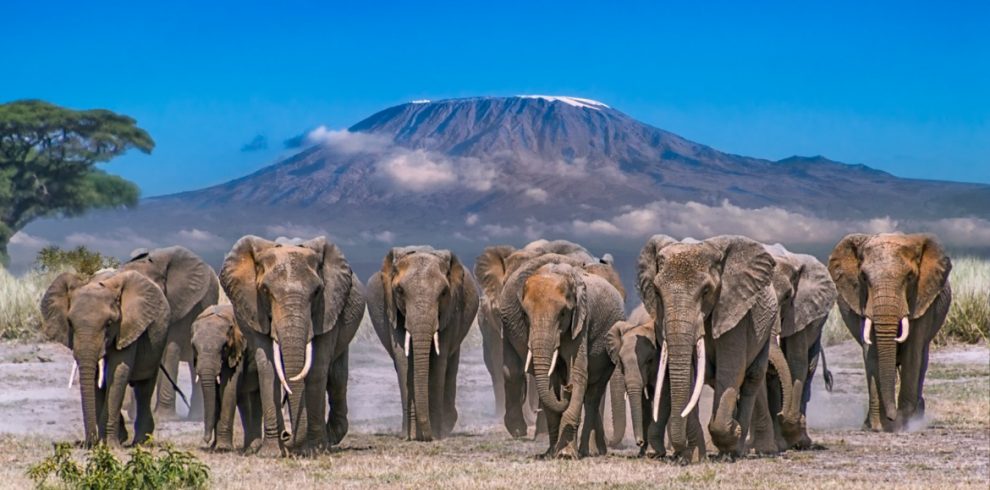
The timing has amplified the alarm. Amboseli’s elephants are arguably the most intensively studied wild population on Earth. The Amboseli Elephant Research Project has tracked individually identified elephants by name, family lineage, and life history since 1972, producing the longest continuous elephant study in the world.
That research shows a population that has broadly recovered and stabilized over the past decade, even as it has faced repeated shocks. Amboseli’s elephant numbers grew sharply through the early 2010s, peaking at roughly 1,950 individuals around 2016–2017, before dipping slightly to around 1,878 by 2023.
Today, estimates for the wider cross-border ecosystem, which spans roughly 8,000 square kilometers of Kenyan and Tanzanian land, including community conservancies and the Enduimet Wildlife Management Area, put the population at approximately 2,000 elephants, with figures for the Kenyan side of the park itself typically cited between 1,600 and 1,900. In other words, the population today sits close to where it stood a decade ago, a story of resilience, but one now shadowed by fresh losses.
That resilience has been tested repeatedly this year. In January 2026, Amboseli mourned the natural death of Craig, one of the last great “super tuskers,” a 54-year-old bull who’s enormous, ground-sweeping tusks made him a global conservation icon. Separately, conservationists and Kenyan officials have spent the past two years pressing Tanzania to restrict trophy hunting near the shared border, after a 30-year moratorium on hunting this cross-border population collapsed in late 2023 and several well-known Amboseli bulls were shot on the Tanzanian side.
Against that backdrop, the sudden loss of 15 elephants, most of them females and calves essential to the herd’s future, has struck a particular nerve among Kenyans, for whom wildlife tourism is a vital economic pillar.
The African Wildlife Foundation has voiced its concern in a public statement, calling the losses “deeply disturbing” and emphasizing Amboseli’s status as one of the continent’s last strongholds for legendary big tuskers. The organization said it is in close consultation with KWS and other stakeholders as the investigation unfolds, and is pressing for a transparent, science-based process to establish the facts before concluding.
IFAW’s East Africa director, Ben Wandago, struck a similarly urgent tone, framing the deaths as a stark illustration of how vulnerable even a well-protected, closely monitored population remains to sudden and unpredictable threats and as a reminder of the broader imperative to address human-wildlife conflict at its roots, so that protecting wildlife and safeguarding community livelihoods can move forward together.
For now, KWS says it has intensified surveillance across the entire Amboseli ecosystem and is closely monitoring the population for any further signs of illness while toxicology results are finalized. Several key questions remain open as the investigation continues.
Investigators still need to confirm the exact toxin involved and determine whether it was cyanide, a pesticide residue, or another agent entirely. They must also establish whether the exposure was accidental, the result of contaminated water or produce, or whether it was a targeted poaching or retaliation incident. A related question is whether a single shared source, such as a watering point, forage area, or farmland runoff site, links all fifteen deaths. Researchers are also asking why the toll skewed so heavily toward females and calves, and whether that pattern points toward a specific location or behavior, such as matriarchal herds visiting a particular water source, rather than random exposure across the population.
Beyond identifying the cause, officials must determine whether more animals remain at risk and whether any contamination source has already been contained. If human involvement is confirmed, the investigation could lead to arrests or criminal charges. And looking further ahead, KWS and its conservation partners will need to decide what longer-term safeguards, such as water-source testing protocols, farmer engagement on pesticide use, and expanded ranger surveillance, should follow to prevent a similar tragedy from happening again.
Conservationists say the answers matter well beyond Amboseli’s boundaries. As one of the world’s most closely studied elephant populations, and a linchpin of Kenya’s wildlife tourism economy, Amboseli’s response to this crisis is likely to shape how East African wildlife authorities handle the next unexplained die-off wherever it occurs.