
Uganda has been selected as the host nation for the launch of the Fourth Cycle of Periodic Reporting for Africa under the UNESCO World Heritage Convention, a significant step in the continent’s efforts to enhance the conservation and management of its invaluable cultural and natural heritage. The event, set for the end of September, aims to foster stronger leadership and collaboration among African nations in addressing the challenges and opportunities in heritage conservation.
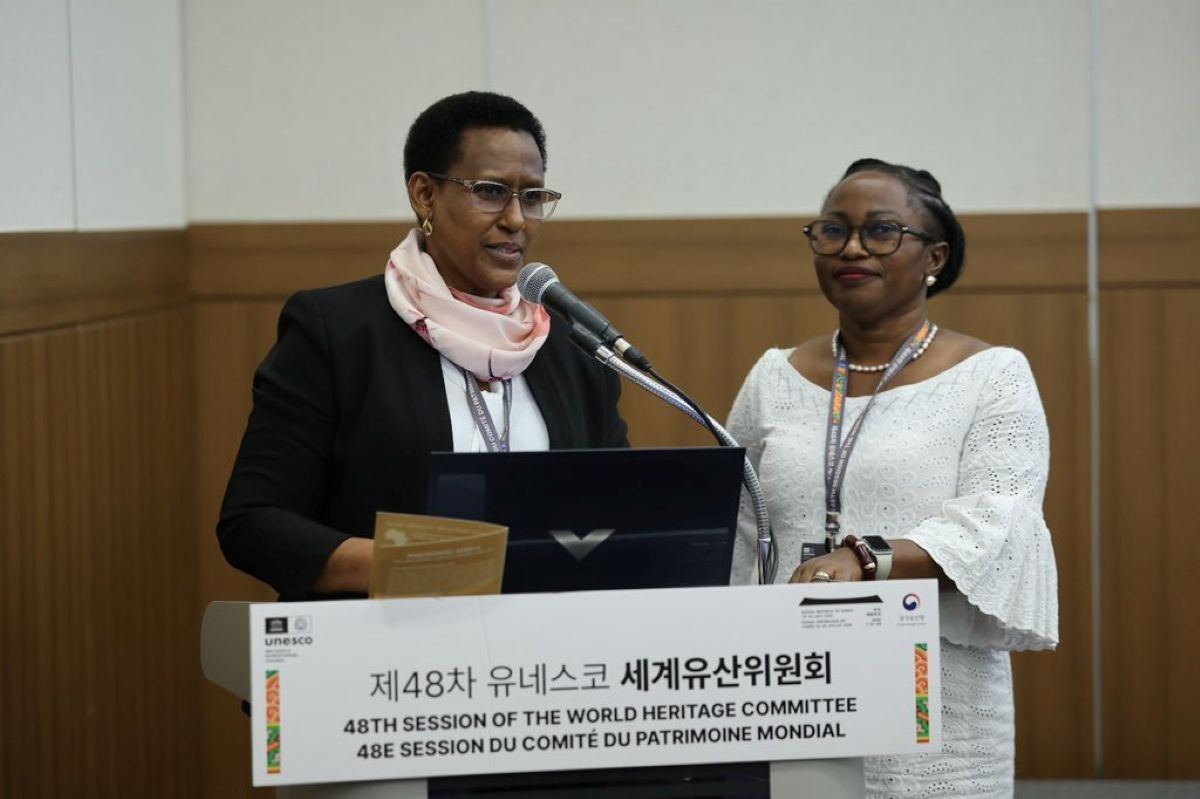
The announcement was made by Doreen Silver Katusiime, the Permanent Secretary of the Ministry of Tourism, Wildlife and Antiquities, during a side event in collaboration with the UNESCO World Heritage Centre and the African World Heritage Fund (AWHF). She conveyed the sentiments of the Minister of Tourism, Hon. Tom R. Butime, on Uganda’s commitment to advancing a unified African vision for the protection of the continent’s rich heritage.
In his remarks, Minister Butime expressed pride in Uganda’s role, stating that, “Hosting this initiative is both a responsibility and an opportunity. The future of World Heritage in Africa hinges on enhanced leadership from our nations, increased cooperation, and sustained investment in our heritage professionals and institutions.”
The Fourth Cycle of Periodic Reporting is not merely a regulatory obligation but an invaluable tool designed to strengthen management practices and institutional capacities across the continent. The upcoming event will include the first Workshop for National Focal Points, bringing together representatives from various African nations to officially initiate the reporting process.
Minister Butime emphasized that many African heritage sites are threatened by issues such as climate change, rapid urbanization, infrastructure development, and conflict. “No country can tackle these challenges in isolation,” he said, underscoring Uganda’s proactive stance to create a collaborative platform for knowledge sharing and partnership among African countries.
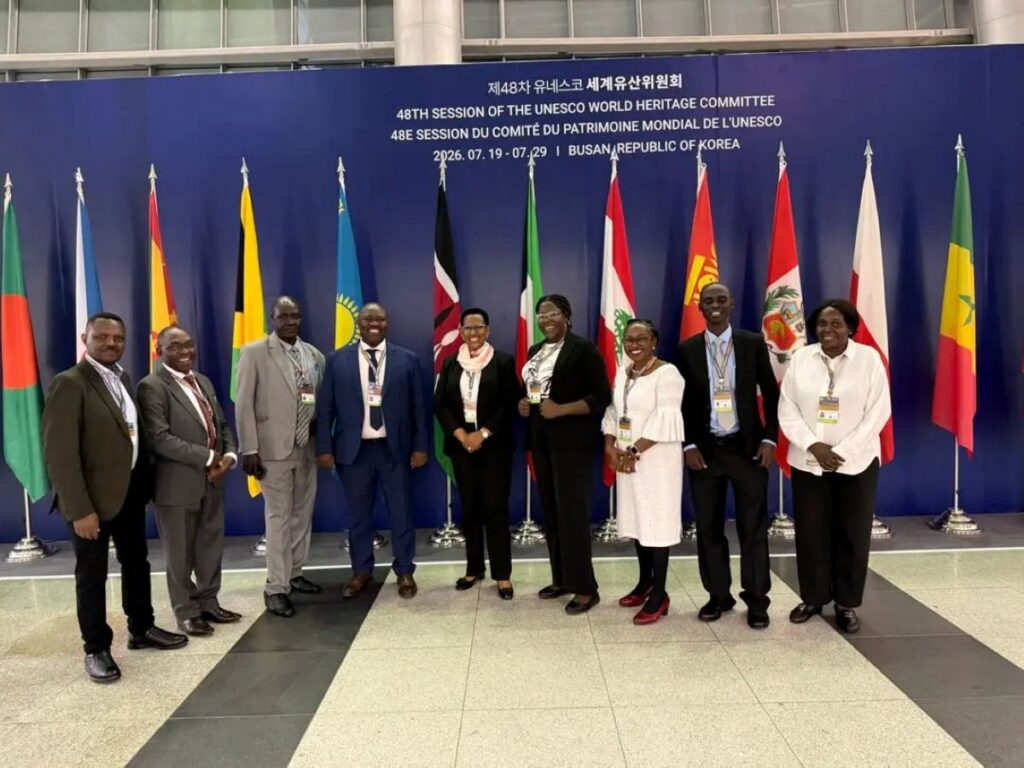
Having been a Board member of the African World Heritage Fund, Butime reiterated the vast cultural and natural wealth inherent in Africa and the continent’s capability and ambition to take a more active role in the World Heritage Convention. He emphasized the importance of operationalizing the Nairobi Outcome on Authenticity to enhance Africa’s representation on the World Heritage List, thereby bolstering the continent’s influence in the global heritage discourse.
The Fourth Cycle is poised to be a transformative opportunity, one that aims to empower national heritage institutions and improve the capacities of site managers and professionals. It promotes regional cooperation while fostering knowledge accumulation necessary for informed decision-making.
As Uganda prepares for this significant gathering, Minister Butime extended an invitation to all African States Parties and development partners to actively engage in the process. He also acknowledged the crucial support from UNESCO in facilitating Uganda’s inaugural World Heritage side event, which he described as a vital capacity-building venture.
Butime encouraged World Heritage focal persons and site managers from across Africa to participate in the September meetings, promising a rich experience in Uganda, often referred to as the “Pearl of Africa,” while collaborating on discussions crucial to the preservation of Africa’s shared cultural and natural heritage.
The upcoming Fourth Cycle of Periodic Reporting is anticipated to not only elevate cooperation among African nations but also enhance the global recognition and management of Africa’s World Heritage sites, laying the groundwork for a more sustainable and collaborative future in heritage conservation across the continent.